Taxidermy Squirrel For Sale
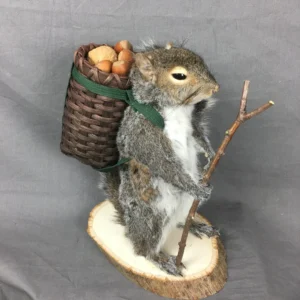
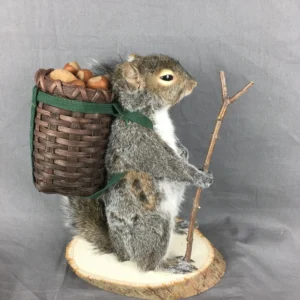
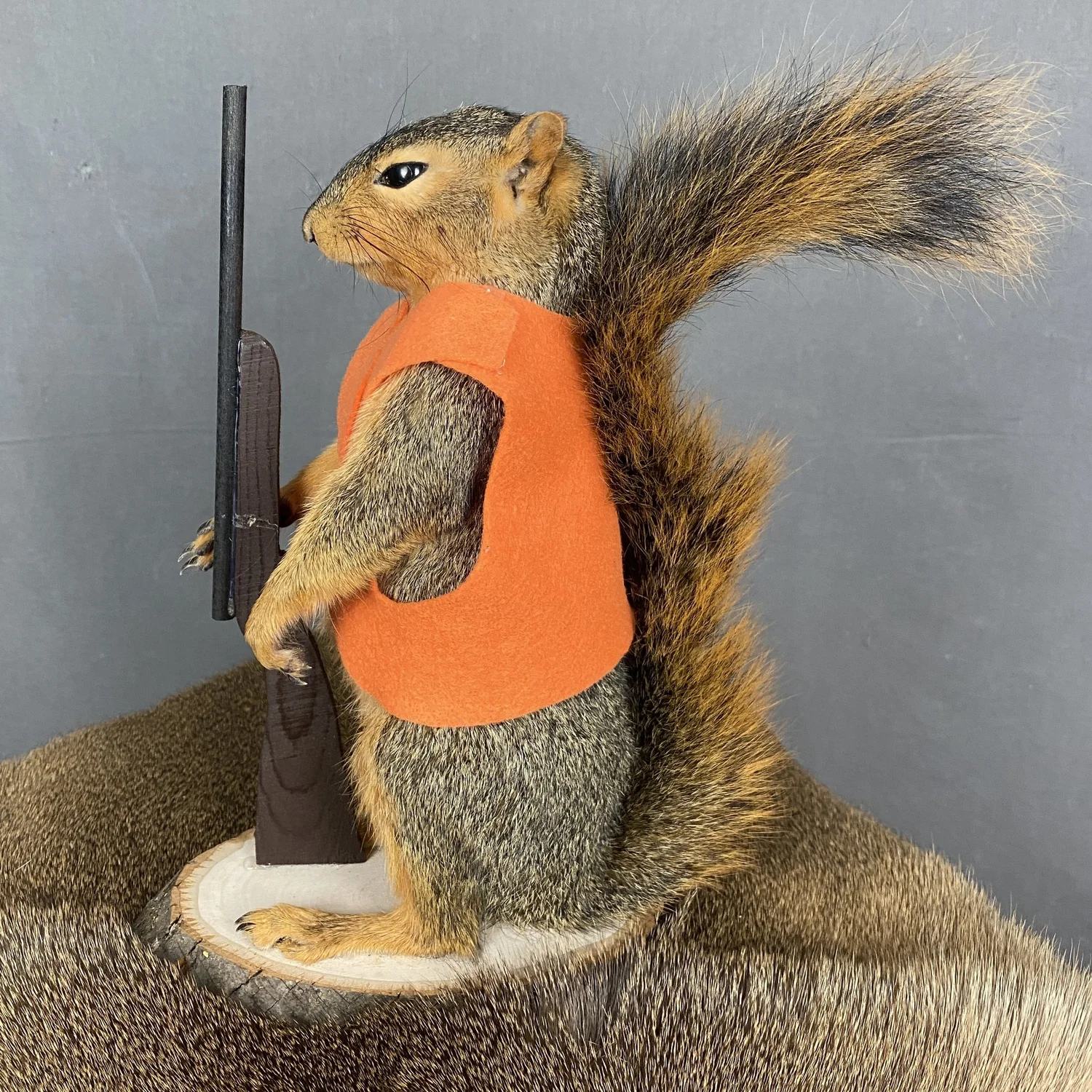
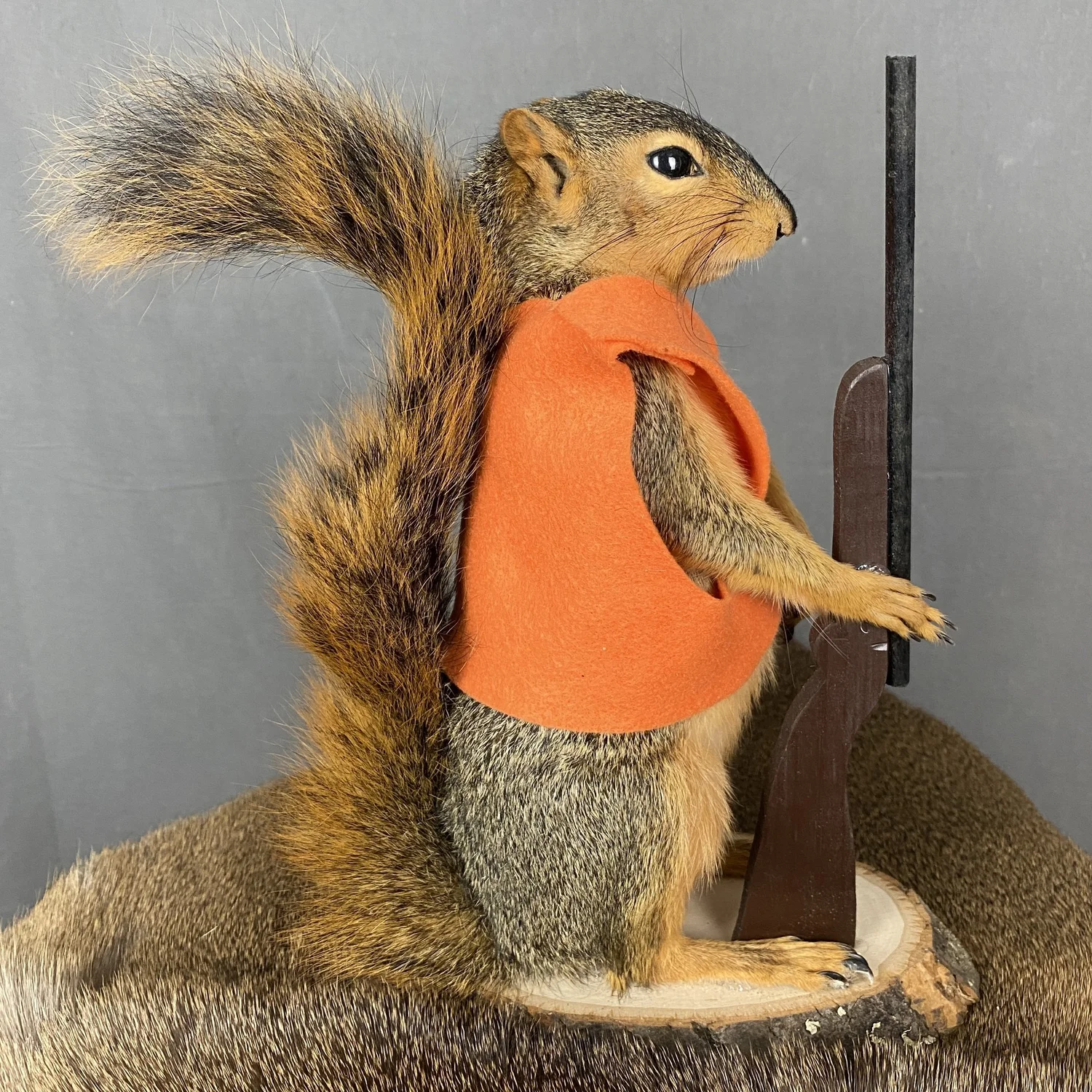
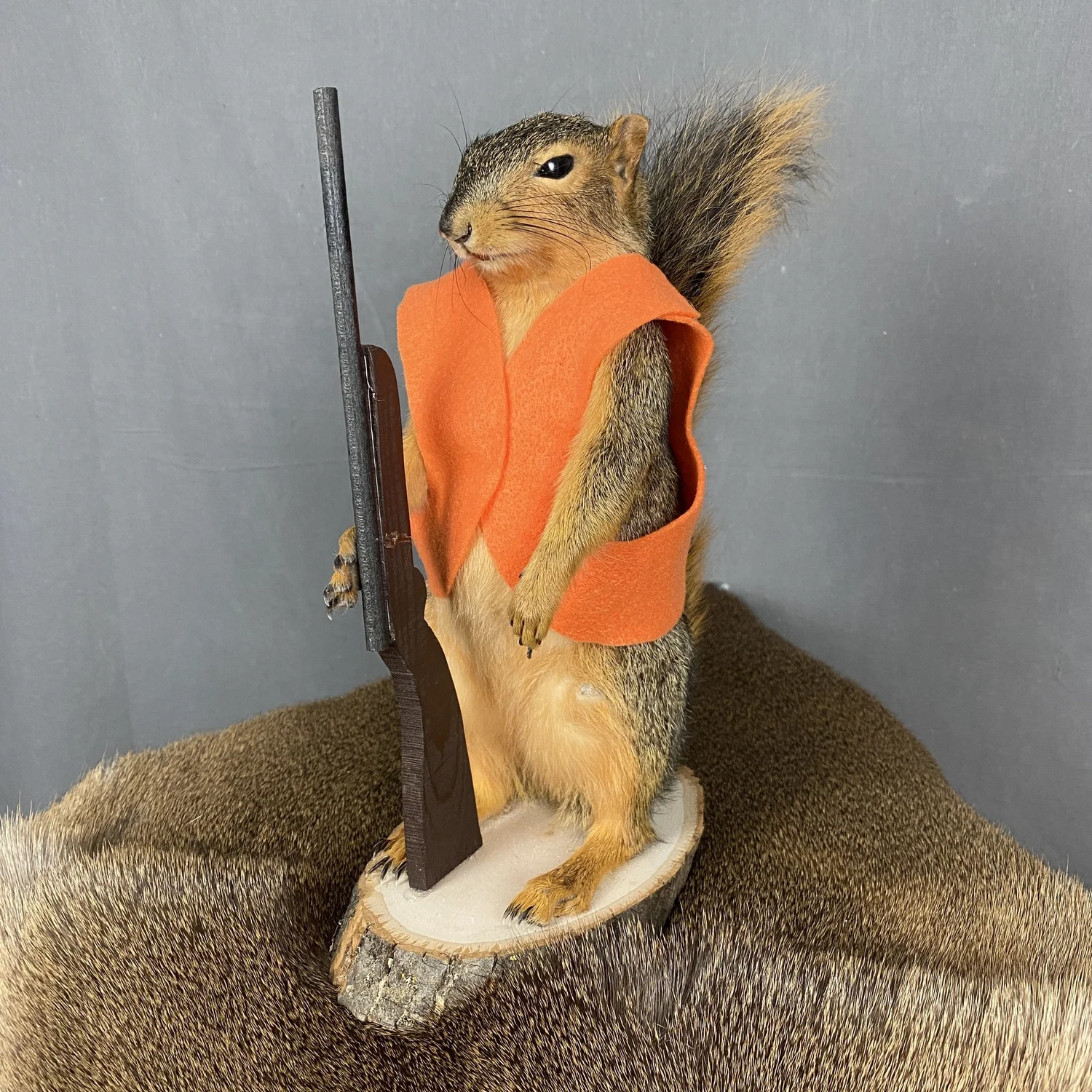
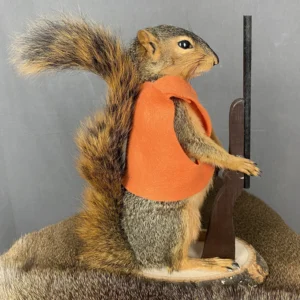
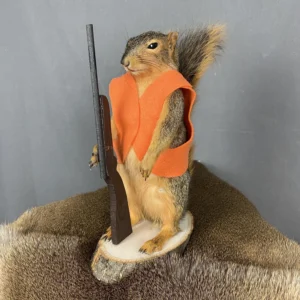
Squirrel Hunter Mount Taxidermy
Squirrel hunter mount taxidermy captures the spirit of small-game tradition in a compact yet highly expressive display. While large trophy mounts such as deer or elk often dominate trophy rooms, squirrel mounts hold a special place in hunting heritage. For many outdoorsmen and women, squirrel hunting is the foundation of their experience in the woods. It teaches patience, observation, and marksmanship while fostering a deep appreciation for woodland ecosystems. A squirrel hunter mount preserves not just the animal, but the memory of the hunt and the connection to nature.
The Significance of Squirrel Hunting
Squirrel hunting has long been one of the most accessible and traditional forms of hunting across North America. Species such as gray squirrels, fox squirrels, and red squirrels are common in hardwood forests, farmland edges, and wooded neighborhoods. Because of their abundance and well-managed populations, they provide a sustainable small-game opportunity.
For many hunters, their first successful harvest is a squirrel. The experience of walking through crisp autumn woods, listening for rustling leaves, and scanning treetops for movement becomes a formative outdoor memory. Choosing to preserve a squirrel as a hunter mount often reflects the emotional significance of that moment rather than the size of the animal.
What Is a Hunter Mount?
A “hunter mount” refers to a taxidermy pose that reflects the animal’s natural behavior in the wild, often resembling how it appeared during the hunt. In squirrel taxidermy, this could include:
-
An alert upright pose on a tree limb
-
A crouched stance gripping bark
-
A seated position holding an acorn
-
A climbing posture with tail arched high
-
A woodland feeding scene
The goal is realism combined with storytelling. Unlike novelty mounts that add exaggerated or whimsical elements, a traditional hunter mount focuses on authenticity and lifelike detail.
The Taxidermy Process
Creating a squirrel mount requires precision and skill, particularly because of the animal’s small size and delicate features. The process involves several detailed steps:
Skinning and Preservation
The hide must be carefully removed to avoid damaging thin skin areas around the ears, paws, and face. Proper field care immediately after harvest ensures that the fur remains intact and the hide stays suitable for tanning.


Reviews
There are no reviews yet.